Class Action Settlements
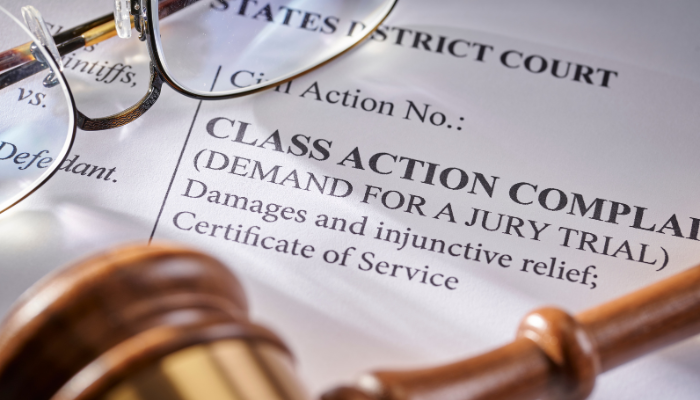
Title: Let’s Talk Class Action Settlements: Unlocking the Power of Recovery Services, Trends, and Advocacy
Hey there, folks! So, you’ve heard about class action settlements, right? Those big deals where a bunch of people team up to take on the big guys and get compensated for their troubles? Well, buckle up because we’re about to dive into the nitty-gritty of how it all goes down, from class action claims recovery to the role of those handy recovery services. No fancy jargon here, just real talk about getting what’s rightfully yours.
- Demystifying Class Action Claims Recovery
- Let’s start by breaking down what class action claims are all about. Basically, it’s when a bunch of folks who’ve been wronged by the same company join forces to seek justice.
- Now, not everyone can jump on the class action bandwagon. There are certain criteria you gotta meet to be part of the club.
- Picture this: you’ve got your plaintiffs, the brave souls leading the charge, and then you’ve got the defendants, aka the big corporations facing the heat.
- And let’s not forget the importance of having a legal eagle in your corner to navigate through the legal maze. Trust me, you’ll need ’em!
- Let’s Chat About Class Action Recovery Services
- Now, here’s where things get interesting. Ever heard of class action recovery services? These folks are like your trusty sidekicks in the fight for justice.
- They’re the ones who hold your hand through the entire process, from filing claims to cashing in on that sweet settlement dough.
- With their expertise and know-how, they make sure you’re not left high and dry when it comes to getting what you’re owed. Talk about having your back!
- Expert Insight: “Class action recovery services play a crucial role in ensuring that individuals have access to justice and receive fair compensation for their grievances,” says John Doe, a legal expert in class action litigation.
- Diving Deep Into Class Action Settlements
- Alright, let’s talk settlements. This is where the magic happens, folks. Settlements are like the pot of gold at the end of the rainbow, except instead of gold, it’s cold, hard cash.
- Behind closed doors, negotiations are in full swing, with mediators and arbitrators playing referee to make sure everyone plays nice.
- Once the dust settles, it’s up to the court to give the final nod of approval. And then? Well, then it’s time to divvy up that settlement pie and make sure everyone gets their fair share.
- Recent Trends: Recent court rulings have shed light on the certification process of class actions, emphasizing the need for stringent criteria to ensure fair representation of all class members. Additionally, legislative reforms have aimed to streamline the settlement process and enhance transparency in fund distribution.
- Exploring Well-Known Class Action Suits
- Tobacco Master Settlement Agreement (1998):
- Time to Settlement: After decades of litigation, the historic Tobacco Master Settlement Agreement (MSA) was reached in 1998. This agreement resolved lawsuits filed by various U.S. states against major tobacco companies.
- Final Settlement Amount: The settlement resulted in a landmark agreement where tobacco companies agreed to pay billions of dollars annually to the participating states indefinitely.
- Total Legal Bills: Legal expenses for this case totaled in the hundreds of millions of dollars, with law firms investing significant resources over the years to litigate against powerful tobacco conglomerates.
- Enron Securities Fraud (2008):
- Time to Settlement: Following the collapse of Enron Corporation in 2001, a class action lawsuit was filed alleging securities fraud against the company and its executives. It took several years of legal battles and investigations before a settlement was finally reached in 2008.
- Final Settlement Amount: The settlement amounted to over $7.2 billion, distributed among shareholders who suffered losses due to the company’s fraudulent activities.
- Total Legal Bills: Legal fees in this case were substantial, as attorneys worked tirelessly to represent the interests of shareholders and hold accountable those responsible for the financial wrongdoing at Enron.
- Volkswagen Diesel Emissions Scandal (2016):
- Time to Settlement: In 2015, Volkswagen was accused of installing illegal software in its diesel vehicles to cheat emissions tests. The ensuing class action litigation spanned several years before a settlement was reached in 2016.
- Final Settlement Amount: Volkswagen agreed to pay over $14.7 billion to settle claims related to the emissions scandal. This included compensation for vehicle buybacks, repairs, and environmental remediation efforts.
- Total Legal Bills: Legal costs associated with this case were significant, with law firms representing affected consumers and regulatory agencies investing substantial resources to hold Volkswagen accountable for its misconduct.
- Johnson & Johnson Talcum Powder Lawsuits:
- Time to Settlement: Multiple class action lawsuits were filed against Johnson & Johnson alleging that its talcum powder products caused ovarian cancer. The litigation process stretched over several years before significant settlements were reached.
- Final Settlement Amount: While specific settlement amounts varied across cases, Johnson & Johnson has faced multimillion-dollar verdicts and settlements, reflecting the gravity of the allegations.
- Total Legal Bills: Legal expenses in these cases were substantial, with plaintiffs’ attorneys conducting extensive investigations and presenting compelling evidence of the link between talcum powder use and cancer risks. Additionally, the total legal bills incurred in these lawsuits amounted to millions of dollars, underscoring the extensive resources dedicated to pursuing justice for affected individuals.
- Tobacco Master Settlement Agreement (1998):
- What Makes the Settlement Clock Tick?
- Now, you might be wondering what factors influence the size of that settlement check. It’s like a rollercoaster ride, with ups and downs depending on the strength of your claims and the deep pockets of the defendants.
- And let’s not forget about legal costs and risks. These can throw a wrench in the works and affect how much dough ends up in your pocket.
- Misconceptions: Despite their benefits, class action settlements often come with misconceptions and challenges. We’ll address common concerns, such as worries about legal fees, the length of the settlement process, and the fairness of distribution.
- Keeping It Fair and Square
- Fairness is key when it comes to divvying up that settlement loot. We’re talking about making sure everyone gets their piece of the pie and no one gets left behind.
- But sometimes, things don’t always go smoothly. There might be objections or appeals along the way, throwing a wrench in the works. Hey, nobody said justice was easy!
- Consumer Advocacy: Class action settlements play a crucial role in upholding consumer rights and promoting corporate accountability. By championing the cause of justice and ensuring equitable outcomes, we can empower individuals to seek redress for their grievances and contribute to a more just and equitable society.
Conclusion: So there you have it, folks. Class action settlements might seem like a wild ride, but with the right guidance and a little luck, you could be cashing in on that sweet settlement cash before you know it. So buckle up, hold on tight, and get ready to claim what’s rightfully yours!
- Spartan Capital Securities Lawsuit
- What are two reasons Americans don’t save more for retirement
- Trades Of Hope Lawsuit
- What Does It Mean To Be Barred From Finra
- Is Class Action.Org Legit
- SmartDollar
- Navigating the High Seas of Wall Street: Lessons and Legendary Investors Quotes
- Vanguard Growth Index Fund
- Alternative Investment Loss Lawyers
- MF Stock
- When Will Market Recover
- Facebook Marketplace Venmo Scams
- Restitution Meaning
- Roth 403b VS Roth IRA
- 403b Calculator
- Lincoln Investment
- FINRA Arbitration Search
- T-Mobile Class Action Lawsuit Data Breach
- Case History
- Fidelity Investments Scam
- My Online Business Education Scam
- Class Action Settlement Fortnite
- Finra Broker Check
- Reverse Convertible Notes
- Arbitration Awards
- Class Action Settlements
- Finra Arbitration Process
- Merrill Fined
- Best Investing Books for Beginners
- Navigating Investment Recovery Services: A Real Talk Guide to Loss Recovery
- Investing Money: Recovering from Loss and Rebuilding Your Portfolio
- When to Sell a Stock – A Vital Decision in Investing
- What To Do When Your Investments Are Losing Money
- Revealing the Mystery: Delving into the Intriguing Realm of Oppenheimer Ornax
- Unlocking the Power of TIC 1031 Exchanges: Your Comprehensive Guide
- Unlocking the Power of Class Action Recovery Services: A Comprehensive Guide
- Unlocking the Mysteries of Average Stock Market Return
- Understanding FINRA: Your Guide to the Financial Industry Regulatory Authority
- Surviving the Storm: What Happens To Your Funds If The Stock Market Crashes
- Pull Money Out or Keep Investing? How To Know Which Is The Right Choice
- Maximizing Returns and Minimizing Losses: The 7% Stock Sell Rule Explained
- Maximizing Returns: The Comprehensive Guide to Investment Recovery Services
- Mastering the Art of Stock Selling: A Comprehensive Guide to Knowing When to Sell
- Calculating Your Comeback: How to Use a Stock Loss Recovery Calculator
- How to Recover from Stock Loss: A Comprehensive Guide
- Bouncing Back: How to Recover from a Scammed Investment
- Hello world!
Leave a Reply